Billhop Blog
Indirect Procurement Case Study: A Deep Dive into Energy Sector Use Cases
For better or for worse, the energy sector is a major driver of growth and development worldwide.
Yet, with great power comes great vulnerability. Any disruption within the energy industry can quickly lead to an adverse domino effect on the supply chain.
In the face of escalating costs and a fluctuating labour market, energy corporations are constantly challenged to maintain stability and profitability.
Thankfully, amidst these challenges lies a hidden opportunity for substantial savings – indirect procurement management.
Often overlooked, indirect procurement holds the key to unlocking remarkable cost efficiencies.
By implementing robust procurement strategies, energy companies can navigate through economic uncertainties with resilience, safeguarding their bottom line while ensuring uninterrupted operations.
DOWNLOAD OUR FREE WHITE PAPER
Indirect procurement vs Tail spend
Indirect procurement is made up of all goods and services that are essential for day-to-day business operations but that fall outside a corporation’s core activity.
Some of the categories of indirect procurement include tax and insurance, office supplies, employees’ salaries, rent, and courier services.
Tail spend on the other hand, makes up a part of indirect procurement.
It mainly consists of many low-value, one-time payments that make up 80% of a company’s total supplier base.
The problem with tail spend is that it accounts for around 20% of a company’s entire spend.
This means that a lot of time and resources is wasted onboarding suppliers for this small subsection of spend.
Another challenging aspect of establishing indirect procurement best practices is the varied terminology across industries.
Oftentimes, “indirect procurement” and “tail spend” are used interchangeably.
Other terms for indirect procurement also include “indirect spend”, “long-tail spend”, and “class-c purchases”.
Because different organisations classify indirect procurement differently, there is a lack of clarity on how to best manage this segment.
Billhop’s card solution overview
Large enterprises operating globally face difficulties in obtaining a complete spend overview and establishing standardised procedures for efficient spend management.
The time and resources required to generate purchase orders for each step of the indirect procurement process highlight the pressing need for a shift in the operating model.
Our research reveals that onboarding a single supplier can take up to 6 weeks and over €1,100.
This means that by eliminating supplier onboarding, especially for one-time, low-volume suppliers, corporations can open the doors to massive cost savings.
Billhop’s groundbreaking “pay any supplier by card” solution empowers businesses to pay their non-card accepting suppliers with their preferred corporate cards.
With the democratisation of purchasing and corporate cards, more and more teams have the autonomy to make payments.
And it would seem like cards are the preferred payment method for employees.
According to the report conducted by Forrester Consulting, customers experience a 33% increase in satisfaction, measured by Net Promoter Scores, attributed to the ability to pay with their preferred method and enjoy extended payment terms offered by their card issuers.
One of the biggest hurdles to expanding corporate card usage is that most B2B suppliers do not accept card payments.
By enabling businesses to take on the card processing costs instead of suppliers, Billhop grants corporations enhanced access to their built-in credit lines.
It optimises the payables process and facilitates swift payments to one-time, low-volume suppliers with no supplier enrolment or set up required.
Energy industry case study

In 2016, a prominent energy company, generating over €370 billion in revenue and employing a global workforce of 60,000+, sought assistance from Billhop to streamline their indirect procurement.
Since then, the company has progressively expanded its usage across various global entities. Users appreciate the platform's simplicity and ease of use.
In the section below we’ll discuss the specific use cases of this energy company.
Exploring specific use cases for one-time transactions
Purchasing industrial parts
Machines inevitably experience wear and tear, and when unexpected breakdowns occur, obtaining emergency parts becomes a necessity. The process of ordering these critical parts can be cumbersome, especially in urgent situations.
In a study highlighted by the Harvard Business Review, it was revealed that 15 to 20% of spending lacks close management.
A case in point is a poorly managed company where each department had the authority to spend up to $10,000 annually on office supplies—an evident category of indirect procurement—without requiring direct approval from their managers.
On the other hand, the manufacturing department faced challenges in securing approval for an $8,000 overhead crane needed for operations through the standard capital equipment process.
Such instances emphasise the hurdles posed by inefficient procurement processes.
In some cases, it becomes necessary to source parts from alternative suppliers, deviating from the usual channels to expedite the process. This is where Billhop proves advantageous, enabling swift and efficient card payments for such urgent procurement needs.
Upon examining the payments made by a client of Billhop operating in the energy sector, we can see that roughly 26.8% of their indirect expenditure was allocated to purchasing industrial parts and machinery.

This highlights the necessity for quick payment solutions in order to keep operations running smoothly.
Common industrial parts that Billhop’s user in the energy sector have expedited through the platform include valves, pumps, and pipes.
Fire and safety services

Ensuring fire safety is paramount, especially in industries like energy, where flammable materials and hazardous operations pose significant risks. To maintain a safe working environment, energy companies invest in various measures, including employee training, fire-resistant materials, and fire safety certifications and audits.
However, these safety measures come with one-time costs, such as hiring trainers, fire consultants, and acquiring fire-fighting equipment like foam and extinguishers. Despite being critical, these items are often considered low-value in terms of individual transactions.
As highlighted earlier in this white paper, the traditional procurement process can incur substantial costs. For instance, onboarding a single supplier for fire safety equipment through the ERP system can cost around €1,100 on the lower end, exceeding the cost of the item itself.
To address this challenge, using Billhop's card solution proves advantageous, providing a streamlined and cost-effective approach for one-time payments related to fire and safety services.
One-time contractors and engineers
Energy companies frequently engage ad-hoc or one-time contractors for specialised services, a strategic move to circumvent the high costs associated with maintaining a large workforce and expensive equipment. This approach also grants them access to a broader talent pool.
However, hiring freelance contractors and engineers comes with a common challenge—managing payments. Varying payment rules for freelancers across different countries add complexity. Additionally, companies must track different payment modes and platforms to fulfil freelancer payments.
While cost-effective, this adds complexity to the payment process. Procurement teams face the task of individually onboarding each freelance, one-time contractor for short-term projects.
Billhop provides a solution for our energy client by streamlining the process of making international payments to freelance contractors on a unified platform. This aims to enhance efficiency and simplify the procurement workflow.
Why corporations should leverage their corporate cards to streamline indirect procurement
At present, the SEPA Credit Transfer (SCT) programme stands as the primary method for supplier payments across most European countries.
This presents a monumental opportunity for card payments to capture a portion of the $120 trillion in B2B payments made by businesses and governments globally.
Most indirect procurement solutions on the market focus on accurately identifying and analysing spend. By categorising spend, corporations can gain greater visibility over their entire procurement spectrum and discover overlooked cost-saving opportunities.
However, they do not address the issue of supplier onboarding.
Even after categorising the different types of indirect procurement and identifying one-time, low-volume suppliers, corporations still face the hurdle of onboarding these suppliers to facilitate payments.
Billhop’s no commitment, digital solution is paving the way to millions in savings by tackling inefficient supplier onboarding processes.
A case in point - By using Billhop for their indirect procurement, one of Billhop’s clients in the chemical industry benefited from an estimated cost saving of around €17 million by not onboarding their low-frequency, low-volume suppliers.
Invest in the future of your procurement process with Billhop by booking a personalised demo with our sales team.
For an in-depth look into how process-heavy industries handle their indirect procurement, download our free white paper now.
Next Up: More Smart Strategies
Continue exploring innovative approaches to supplier payments, tail spend management, and procurement excellence.
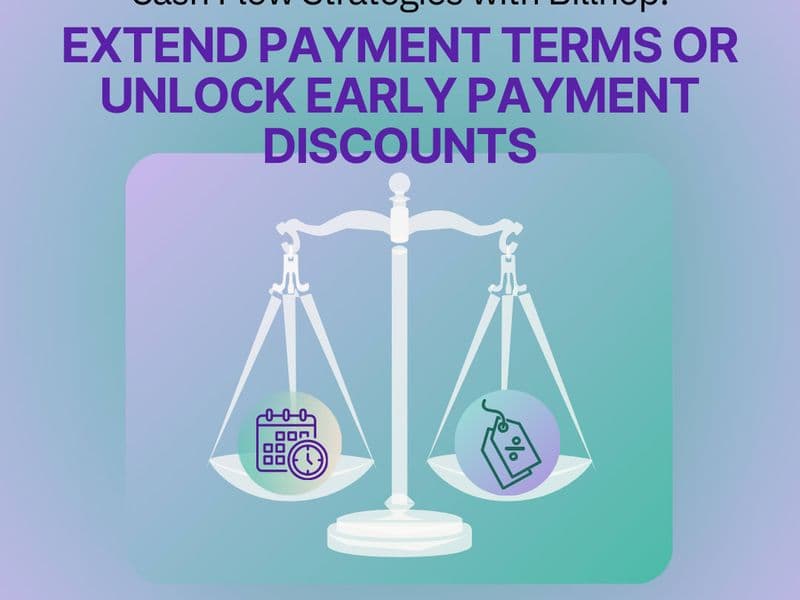
Cash Flow Strategies with Billhop: Extend Payment Terms or Unlock Early Payment Discounts
Billhop lets businesses pay any supplier by card to boost cash flow. Easily extend payment terms or capture early-payment discounts through a simple, flexible, pay-per-transaction platform with no process changes.
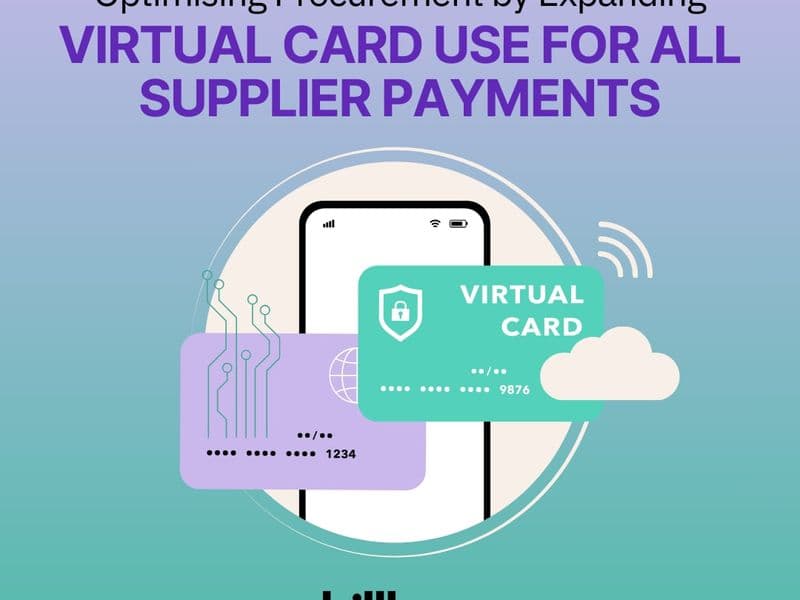
Optimising Procurement by Expanding Virtual Card Use for All Supplier Payments
Billhop expands virtual card use to all supplier payments, helping businesses control tail spend, reduce fraud, and streamline ad hoc purchases. Pay any supplier by card—even if they don’t accept cards—while improving oversight and simplifying procurement.
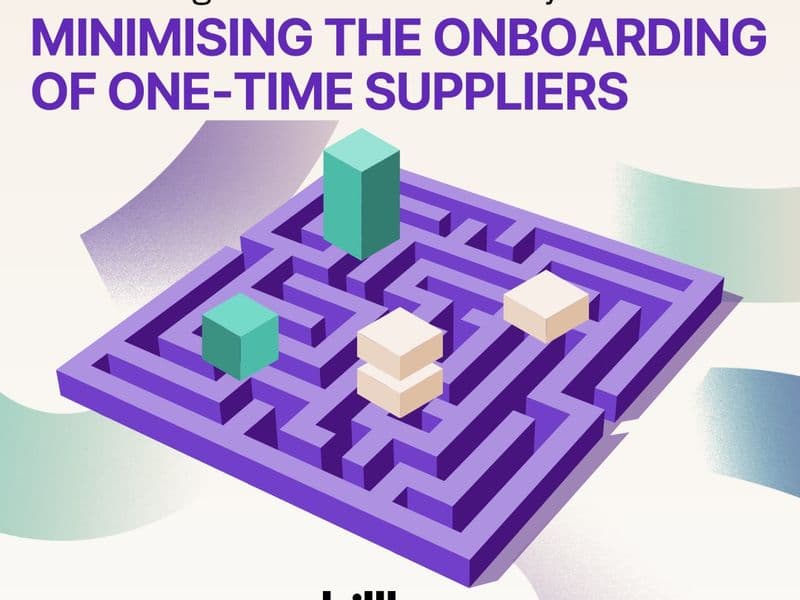
Maximising Procurement Wins by Minimising the Onboarding of One-Time Suppliers
Billhop helps procurement teams avoid onboarding one-time suppliers by enabling compliant, card-based payments to any vendor. This reduces admin costs, curbs maverick spend, and streamlines low-value, ad-hoc purchases while keeping full oversight.